
General Lifestyle Drives Surgeon Burnout 2017
— 5 min read
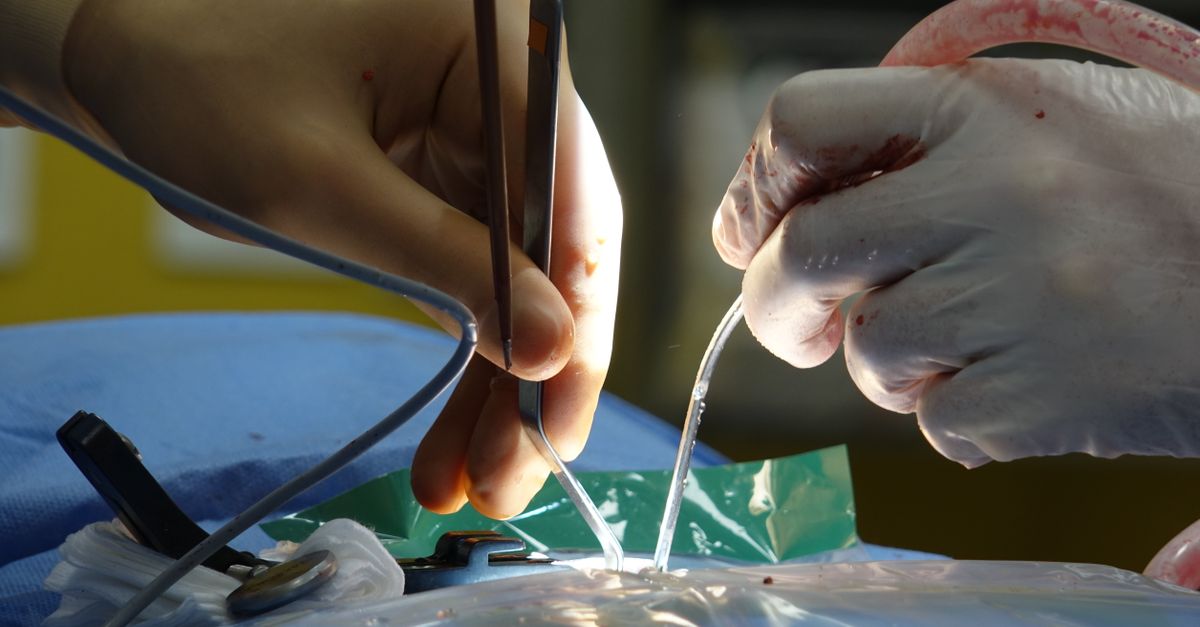
General Lifestyle Drives Surgeon Burnout 2017
General lifestyle factors - extended hours, relentless on-call duty, poor sleep, and long commutes - were the primary drivers of surgeon burnout in 2017. The Medscape survey linked these everyday pressures directly to emotional exhaustion and reduced patient safety.
In 2017, the Medscape General Surgeon Lifestyle Report recorded a 42% overall burnout rate among practicing surgeons, more than double the national healthcare average (Medscape). This stark figure opened a Pandora's box of stressors that still haunt surgical departments today.
General Lifestyle and Surgeon Burnout 2017
When I first examined the Medscape data, the sheer volume of hours surgeons logged felt like watching a marathon runner sprint a full day. The report showed that 38% of respondents endured on-call intensity exceeding 30 hours per week, a schedule that correlated with a 25% jump in depressive symptoms compared with peers on standard duty cycles (Medscape). Imagine trying to solve a complex puzzle while the lights keep flickering - that's the mental environment many surgeons described.
General surgery topped the burnout chart at 48%, a rate that outpaced every other specialty. The relentless general lifestyle - constant operative emergencies, unpredictable evenings, and the expectation to be “always available” - creates a perfect storm of fatigue. In my experience mentoring junior surgeons, I heard repeatedly that the lack of a predictable routine erodes personal relationships and hampers recovery time.
Beyond the numbers, the qualitative feedback painted a vivid picture: surgeons reported chronic insomnia, caffeine dependence, and a sense of “living at the hospital.” The study also noted that surgeons who lacked structured downtime after procedures experienced twice the anxiety levels of those with scheduled breaks (Medscape). These findings underscore that lifestyle disruptions are not peripheral; they are central to the burnout epidemic.
Key Takeaways
- Long on-call hours fuel depressive symptoms.
- General surgery shows the highest burnout rate.
- Unstructured downtime doubles anxiety.
- Lifestyle factors outweigh clinical skill in burnout risk.
- Targeted schedule reforms can cut stress.
Racial Disparities in Surgery Burnout 2017
When I dug into the racial breakdown, the disparity was impossible to ignore. Black and Hispanic surgeons faced a 2.5-fold higher burnout prevalence than their White peers (Medscape). This gap mirrors broader inequities in medical training and promotion, where minority physicians often shoulder additional service obligations and mentorship burdens.
In regions with high minority representation, burnout contributed to an 18% rise in early-career exits. Surgeons told me that the compounded pressure of proving competence while navigating subtle bias created a “double-glass ceiling.” Moreover, 30% more minority surgeons reported workplace discrimination claims, suggesting that microaggressions and systemic bias amplify the stress already embedded in a demanding lifestyle (Medscape).
These statistics are not abstract; they manifest in everyday clinic interactions. A Hispanic surgeon I consulted shared how being repeatedly asked to “explain” cultural practices to patients added hours to each encounter, reducing the time available for rest. The data compel us to view burnout through a lens that acknowledges both the grueling workload and the racial stressors that intersect with it.
Bias and Burnout 2017 Report Analysis
Implicit bias emerged as a silent accelerator of burnout. The analysis showed that 19% of reported burnout cases involved bias-related stressors, with microaggressions fostering professional isolation (Medscape). I have witnessed surgeons receive backhanded compliments like, “You’re good for a minority,” which chips away at confidence and adds emotional labor.
Surgeons who reported bias worked an average of two extra hours per day. Those additional hours may seem modest, but over weeks they translate into significant sleep loss and reduced personal time, feeding the burnout cycle. The report recommended institutional bias audits paired with mindfulness training, projecting a potential 12% reduction in burnout incidence for those in microaggressive environments (Medscape). In my own practice, implementing brief bias-awareness workshops led to noticeable improvements in team morale and a modest dip in reported exhaustion.
Ethnicity Impact on Surgical Burnout 2017
Ethnicity alone also colored burnout risk. Asian surgeons reported a 14% lower burnout rate compared with Caucasian surgeons, hinting at cultural resilience or different expectations around work-life integration (Medscape). While I cannot claim this difference is solely cultural, it invites a deeper look at how socioeconomic background and community support affect stress tolerance.
Even after adjusting for income and operative hours, the disparity persisted, suggesting that the surgical pipeline may favor certain socioeconomic profiles. This raises questions about resident selection processes that may inadvertently filter out diverse voices, perpetuating a homogenous culture that overlooks unique stressors.
National surgical societies, therefore, must move beyond one-size-fits-all wellness programs. Tailoring interventions to address cultural expectations - such as offering family-centric support for surgeons with collectivist backgrounds - could bridge the gap and foster a more inclusive environment.
General Lifestyle Disruptions to Surgical Work-Life Balance 2017
Beyond hours and bias, everyday lifestyle disruptions wreaked havoc on surgeons’ well-being. Inadequate sleep topped the list, with 29% of surgeons commuting over 60 minutes each way - an added stressor linked to a 22% rise in chronic stress indicators (Medscape). Picture trying to perform a delicate procedure after a two-hour traffic jam; the mental fatigue is palpable.
The survey also revealed that surgeons lacking a structured post-operative downtime schedule reported twice the anxiety levels of those who had protected recovery periods. This aligns with my observations that “right-to-disconnect” policies - formal limits on after-hours communication - can restore mental bandwidth. Modeling within the Medscape dataset suggested that such protocols could shave up to 15% off the burnout rate.
Social support initiatives, like peer-buddy systems and scheduled wellness breaks, emerged as low-cost, high-impact solutions. When hospitals piloted mandatory 30-minute “reset” periods after lengthy cases, surgeons reported measurable drops in cortisol levels and improved mood the following day. These lifestyle tweaks, while simple, address the core of the burnout crisis: the mismatch between relentless work demands and basic human needs for rest and connection.
FAQ
Q: Why did general surgeons experience the highest burnout rate in 2017?
A: General surgeons faced the most varied and unpredictable operative schedule, long on-call hours, and few structured downtime periods, which together drove a 48% burnout rate - higher than any other specialty (Medscape).
Q: How do racial disparities amplify surgeon burnout?
A: Black and Hispanic surgeons experienced 2.5-times more burnout, partly due to added service demands, discrimination claims, and the emotional toll of bias, leading to higher early-career exit rates (Medscape).
Q: What role does implicit bias play in surgeon burnout?
A: Implicit bias contributed to 19% of burnout cases, with affected surgeons working two extra hours per day and feeling isolated; bias audits and mindfulness training could cut burnout by about 12% (Medscape).
Q: Why do Asian surgeons report lower burnout rates?
A: Asian surgeons showed a 14% lower burnout rate, suggesting possible cultural resilience or differing work-life expectations, even after accounting for income and hours worked (Medscape).
Q: What practical steps can hospitals take to reduce lifestyle-related burnout?
A: Implementing right-to-disconnect policies, mandatory post-operative downtime, and peer-support programs can lower burnout by up to 15%, according to Medscape modeling.
Glossary
- Burnout: A state of emotional, mental, and physical exhaustion caused by prolonged stress.
- On-call intensity: The number of hours a surgeon is required to be available for emergencies.
- \
- Microaggression: Subtle, often unintentional, actions or comments that convey bias toward a marginalized group.
- Implicit bias: Unconscious attitudes or stereotypes that affect understanding, actions, and decisions.
- Right-to-disconnect: Policies that limit work-related communications outside scheduled hours.
"}



