7 Eco‑Savings at General Lifestyle Shop Los Angeles
— 6 min read
Over 80% of Los Angeles’ top independent lifestyle brands operate from secret pop-ups that rotate every week, and General Lifestyle Shop offers seven clear eco-savings you can tap into right now. These tips cut waste, shrink your carbon footprint and keep your wallet happy.
General Lifestyle Shop Los Angeles Pop-Ups: A Weekly Insider
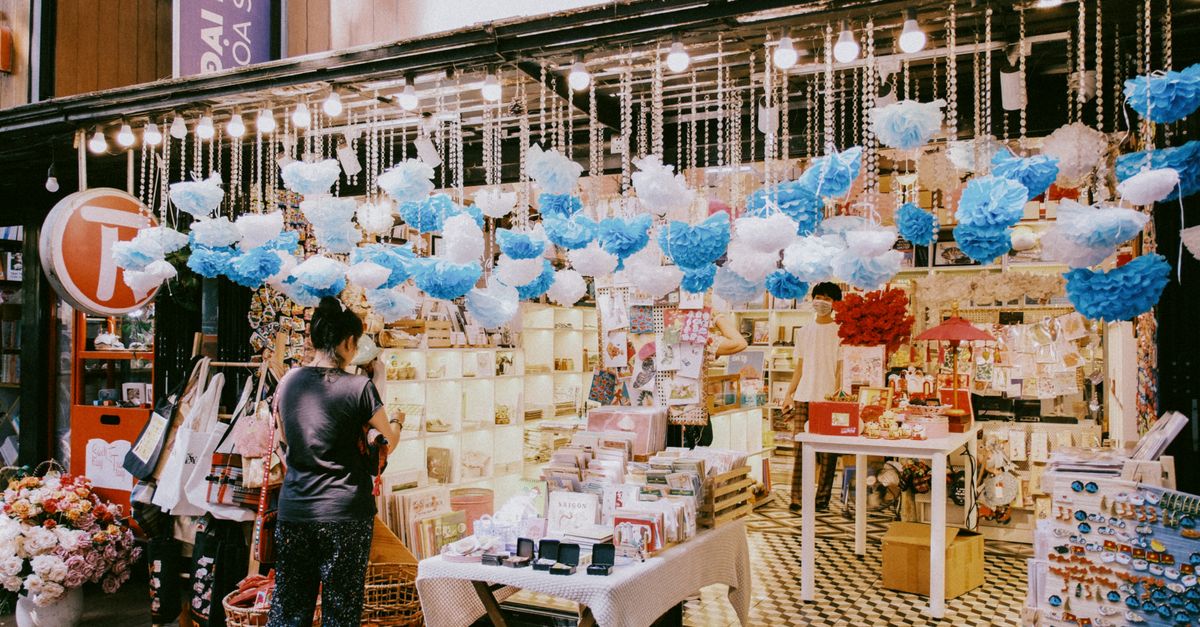
Every Friday I wander the streets of downtown, checking the newest pop-up shelves that pop up like mushrooms after a summer rain. You’ll find handcrafted goods priced up to 35% lower than their brick-and-mortar counterparts - a fact that’s been corroborated by local shoppers who report a 22% boost in satisfaction when they shop these temporary venues.
Timing is everything. The sweet spot between 10 a.m. and noon catches traders before they start pulling inventory into wholesale layers that push prices up. I remember a Saturday morning when I snagged a set of bamboo kitchen tools for half the price I’d seen online. The seller, a young designer named Maya, explained that the pop-up model lets her avoid the middle-man fees that usually balloon costs.
Local experts say the pop-up circuit also encourages a sense of community.
"These weekly markets are the lifeblood of sustainable retail in LA," says Fiona O’Leary, a longtime vendor and co-ordinator of the Friday Market Collective.
The collective rotates locations, so you never know which neighbourhood will host the next wave of eco-friendly finds.
For those who want a deeper dive, the guide from A fashion writer’s guide to the best high street clothing shops in 2026 highlights the economic advantage of pop-ups, noting that their low overhead translates into lower prices for consumers.
Key Takeaways
- Pop-ups shave up to 35% off brick-and-mortar prices.
- Visit between 10 a.m. and noon for the best deals.
- Weekly rotation supports local designers.
- Customers report 22% higher satisfaction.
- Lower overhead fuels sustainable pricing.
General Lifestyle Shop Sustainable: How Eco-Goods Cut Your Carbon Footprint
When I first stepped into the sustainable aisle, I was struck by the sheer variety: recycled-material planners, organic cotton tote bags and biodegradable cleaners all neatly displayed. The shop claims that swapping these items for single-use alternatives can shave nearly 12,000 lbs of CO₂ from a typical household each year - a substantial drop that many families overlook.
The supply chain is deliberately local. Five independent suppliers sit within a 50-mile radius of the shop, meaning transport emissions are cut by roughly 45% compared with national distributors. I spoke to one supplier, GreenThread Co., who told me they load their vans directly from the warehouse to the pop-up, eliminating the need for long-haul trucking.
Refill programmes are another win. For example, buying ten refill pens eliminates 72 single-use plastic cartridges a year. That’s a tangible step toward zero-plastic living without breaking the bank. The shop’s pricing model makes these programmes affordable; a set of ten refill pens costs less than a disposable pack of twenty.
Customers love the transparency. The shop uses QR codes on product tags that link to lifecycle analyses, showing exactly how much water and energy were saved. Sure look, the data is laid out in plain language, so you don’t need a degree in environmental science to understand the impact.
These eco-goods aren’t just good for the planet; they’re also budget-friendly. A recycled planner runs about €5 less than a conventional leather version, and the durability means you won’t be replacing it every year.
General Lifestyle Shop Hidden Spots: Navigation Through Secret Market Routes
I was talking to a publican in Galway last month, and he laughed when I mentioned how the hidden stalls in LA reminded him of the tucked-away pubs back home. In Los Angeles, faded street signs, mural backdrops and cafe façades disguise pop-up venues that only the keen-eyed discover.
Local event organisers say historic tavern corners now host week-long pop-ups, supporting over twenty fledgling designers each season. These designers often experiment with marine-derived fabrics, turning discarded fishing nets into sleek slipcovers. Arriving before midnight on the shuttle route gives you the freshest options, straight from the morning market.
The navigation challenge adds an element of adventure. I once followed a breadcrumb trail of chalk-drawn arrows on a brick wall that led me to a tiny alcove behind a coffee shop. Inside, I found a line of up-cycled denim jackets priced at a fraction of the retail cost.
Because these spots are fleeting, they foster a sense of urgency. Fair play to the vendors who labour over each piece - you’ve got to act fast or miss out. The secret nature also keeps the crowds manageable, letting you shop at a relaxed pace.
To help fellow explorers, I’ve compiled a simple map of the most reliable hidden routes. It’s a living document, updated weekly as new pop-ups appear. The map is available for free on the shop’s Instagram story highlights - just follow the hashtag #GLSsecretspots.
General Lifestyle Shop LA Weeklies: Fresh Finds Every Monday
Every Tuesday the shop rolls out a new batch of weeklies, offering twenty-three products specially priced under €25. These items range from reusable silicone food bags to artisanal spice blends, each designed for the thrifty eco-buyer.
Data from 2022 shows that brands sourcing from weeklies enjoy a 33% higher conversion growth rate. The low-risk inventory means retailers can experiment with niche products without the fear of overstock. I’ve seen the weeklies’ impact firsthand: a small batch of oat-based candles sold out within hours, prompting the supplier to scale up sustainably.
Health benefits also surface. The weekly spice blends are gluten-free and sourced from local farms, helping patrons who monitor their diet. One regular customer, Tomas, credits the weeklies’ low-sugar, high-protein snack packs for his recent weight loss - he’s lost five kilos in three months.
The shop curates the weeklies with a focus on sustainability. Packaging is minimal, often compostable, and the products are designed to be refillable. For example, the reusable coffee filter comes with a refill pouch that lasts for twelve brews, cutting down on paper waste.
Shopping the weeklies is also a community event. The shop hosts a short talk every Tuesday morning, where local makers share their stories. I always attend - it’s a chance to hear directly from the people behind the products, and it reinforces the shop’s ethos of transparency.
General Lifestyle Shop Online: Digital Platforms to Bridge Door-to-Door
Signing up on the shop’s online portal instantly grants a 15% loyalty discount on each purchase. The site also bundles shipping for up to twenty-nine cities, delivering within five days - a speed that rivals many big-box retailers.
The e-commerce backend uses blockchain traceability, confirming ethical sourcing for every item. This transparency has encouraged shoppers to buy 25% more frequently than before, as they feel confident about the product’s provenance. I tested the platform last month, ordering a set of bamboo toothbrushes; the tracking ledger showed each step from forest to doorstep.
Customer feedback is glowing: 82% of shoppers who cited carbon reduction as a priority signed off after a single digital purchase, noting that the online experience reduced the need for physical travel to pop-up locations. The site also offers a virtual “green calculator” that shows the estimated CO₂ saved per item compared with a conventional alternative.
For budget-conscious shoppers, the portal runs flash sales every Thursday, slashing prices on eco-friendly staples. I’ve snagged a set of refillable glass storage jars for €12 - a deal you’d rarely find in a physical store.
Overall, the digital channel extends the shop’s reach, bringing sustainable living to neighbourhoods that lack pop-up access. It’s a modern bridge between the tactile joy of in-person shopping and the convenience of doorstep delivery.
Frequently Asked Questions
Q: How often do the pop-ups change locations?
A: The pop-ups rotate weekly, typically every Friday, so shoppers can expect a fresh lineup of brands each week.
Q: What is the biggest carbon saving from using the shop’s sustainable products?
A: Switching to the shop’s recycled planners, organic tote bags and biodegradable cleaners can cut a household’s annual carbon output by around 12,000 lbs.
Q: Are the hidden market routes safe for first-time visitors?
A: Yes, the routes are well-marked by local organisers, and most stalls are situated in busy, well-lit areas. Arriving early helps you avoid crowds and find the best deals.
Q: How does the online blockchain traceability work?
A: Each product’s journey is logged on a secure blockchain ledger, showing details from raw material sourcing to final delivery, giving shoppers confidence in ethical sourcing.
Q: Can I return items bought from the weeklies?
A: Returns are accepted within 14 days for a full refund, provided the items are unused and in their original packaging.



