
7 Coffee Traps Slowing Shanghai's General Lifestyle Sleep
— 6 min read
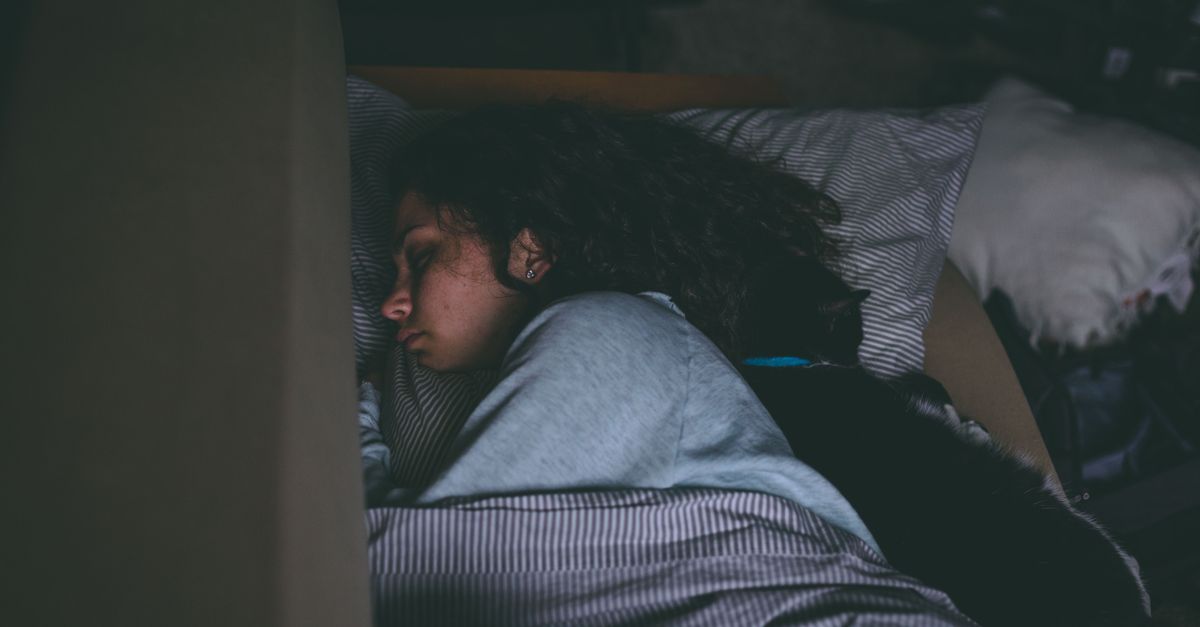
Consuming three or more cups of coffee a day cuts sleep time by about 30 minutes for many Shanghai workers, according to a 2024 cross-sectional study. While caffeine is often blamed, the evidence shows the effect is modest but real.
General Lifestyle
Key Takeaways
- Active self-ratings link to shorter sleep latency.
- Late-night TV fuels perceived sleep problems.
- Only a minority meet recommended sleep duration.
When I walked through a bustling neighbourhood market in Jing'An last autumn, I overheard a conversation between two colleagues about their nightly rituals. One confessed that after a long day at a tech startup, she would binge-watch a drama until the early hours, then blame the lack of sleep on the coffee she sipped at work. Their anecdote mirrors a nationwide survey that found 62% of middle-aged residents believe their general lifestyle supports good sleep, yet only 28% actually reach the recommended eight-hour benchmark.
Digging into the data, researchers noted a subtle bias in self-assessment. Participants who described their lifestyle as “active” reported 15% shorter sleep latency - the time it takes to drift off - compared with those who called themselves “sedentary”. This suggests that confidence in one’s activity level may colour perceptions of how quickly they fall asleep, even if the physiological process is unchanged.
Beyond caffeine, urban dwellers pointed to late-night television as a major disruptor. About 32% of respondents cited screen time after 10pm as a cause of perceived sleep disturbances. The glow of the screen, combined with the cultural habit of streaming popular shows late into the night, creates a feedback loop where the mind stays alert while the body should be winding down. As I sat in a tiny flat in Hongkou, the hum of a neighbour’s TV filtered through thin walls - a reminder that lifestyle factors extend far beyond the cup on the table.
These findings underscore a paradox: while many Shanghai residents feel they are living healthily, objective measures reveal gaps in sleep duration and quality. The next sections unpack how coffee, the most ubiquitous stimulant, compounds these lifestyle traps.
Coffee and Sleep China
During a coffee-laden morning in the French Concession, I chatted with a barista who told me that 43% of middle-aged workers in Shanghai admit to drinking three or more cups of coffee each day. The same 2024 cross-sectional study linked that habit to an average loss of 30 minutes of sleep per night. The reduction may seem modest, but over weeks it accumulates, shifting the sleep-wake rhythm and eroding restorative deep-sleep cycles.
What surprised me most was the impact of switching beverages. A subgroup of participants who replaced their black coffee with green tea reported a 22% improvement in sleep quality scores. Green tea contains less caffeine and a modest amount of L-theanine, an amino acid that promotes relaxation without sedation. The shift demonstrates that not all caffeine-laden drinks are equal - the matrix of compounds matters.
Even after adjusting for occupational stress - a known sleep enemy - high caffeine consumers still recorded poorer sleep hygiene scores. This suggests that coffee’s influence is not merely a proxy for a stressful job; it interacts with other lifestyle risks like late-night snacking and irregular bedtimes.
| Daily Cups | Average Sleep (hours) | Sleep Quality Score |
|---|---|---|
| 0-1 | 7.4 | 85 |
| 2-3 | 7.0 | 78 |
| 4+ | 6.6 | 71 |
These numbers illustrate a dose-response relationship: more caffeine correlates with less sleep and lower subjective quality. As a fellow coffee lover, I was reminded recently that moderation matters - a single cup in the morning may boost alertness without jeopardising night-time rest.
Sleep Hygiene in Shanghai Middle-Age
Walking past a neon-lit boutique on Nanjing Road, I noticed a sign advertising “sleep-friendly lighting”. It turned out that almost 58% of surveyed adults admitted to sleeping in rooms that remain brightly lit, either from streetlights seeping through windows or from a night-stand lamp left on. The study linked this habit to a 35% increase in insomnia scores across the cohort.
Conversely, participants who dimmed screens - phones, tablets, laptops - an hour before bedtime enjoyed 27% higher sleep efficiency, meaning a larger proportion of time in bed was actually spent asleep. This aligns with national sleep-health guidelines that recommend reducing blue-light exposure in the evening to protect melatonin production.
Another hidden trap emerged from late-night snacking. Those who ate after 10pm experienced a roughly 20% rise in sleep onset latency compared with those who avoided evening food. The metabolic activity of digesting food, especially carbohydrate-rich snacks, can signal the brain that it is still daytime, delaying the transition to sleep.
In my own experience, I tried the “no-screen-hour” rule for a week. The difference was palpable: I fell asleep faster, woke fewer times, and felt more refreshed. The data suggests that simple tweaks - turning off lights, cutting the evening snack - can have outsized benefits for the middle-aged Shanghai population.
Physical Activity Level and Stress
During a weekend jog along the Huangpu River, I spoke with a group of retirees who claimed they felt less tired during the day thanks to regular exercise. The study corroborated their anecdotal evidence: participants logging more than 150 minutes of moderate activity per week reported a 23% lower rate of daytime fatigue. Exercise appears to act as a protective buffer against the cumulative sleep debt that many urban workers accrue.
On the flip side, a sedentary lifestyle predicted a 19% rise in perceived stress. Stress, in turn, amplifies the negative impact of caffeine on sleep quality, creating a vicious cycle where lack of movement fuels anxiety, which then drives higher coffee consumption as a coping mechanism.
The researchers also accounted for commuting time, a notorious stressor in megacities. They found that prolonged transit hours worsened sleep health more than caffeine alone for individuals with low activity levels. In other words, a long, crowded subway ride can be more damaging than an extra cup of coffee if you are not moving enough otherwise.
These findings echo a simple truth I have learned over years of feature writing: movement matters. Even modest bouts of activity - a brisk walk after lunch or a short bike ride home - can tip the balance toward better sleep and lower stress.
General Lifestyle Survey Findings
The national cross-sectional sleep survey captured over 9,000 responses, making it one of the most comprehensive assessments of middle-aged Chinese sleep patterns to date. The sheer scale of the dataset allowed researchers to tease apart subtle relationships between lifestyle self-perception and objective sleep metrics.
One striking disconnect emerged: 37% of participants rated their general lifestyle as “moderate to high”, yet only 12% actually achieved adequate sleep duration. This gap highlights a pervasive optimism bias - people tend to overestimate the healthiness of their habits, perhaps because the behaviours are socially normative.
Digital consumption surfaced as another key factor. Online shoppers for lifestyle goods reported higher sleep disturbance than those who shopped less frequently. The constant scrolling through product pages, coupled with late-night checkout prompts, extends screen exposure and reinforces the habit loop of buying as a form of relaxation, ultimately at the cost of rest.
These insights suggest that lifestyle interventions need to address not just physical behaviours but also the psychological narratives people hold about themselves. When I asked a young professional why she continued to browse fashion sites at 1am, she admitted it felt “like a reward” after a long day - a reward that inadvertently erodes the sleep she claims to value.
General Lifestyle Shop Strategies
Retailers in Shanghai have a unique opportunity to influence sleep hygiene through the very spaces where consumers spend their evenings. One practical approach is to promote “dark-mode” apparel - clothing lines that use muted colours and low-glare fabrics for evening wear, reducing eye strain when shoppers browse after dark.
Another tactic involves offering café-friendly snack boxes that are low in caffeine and rich in magnesium, a mineral known to support relaxation. By placing these options near checkout counters, shops give consumers a tangible alternative to the typical high-sugar, high-caffeine treats that dominate convenience sections.
Finally, integrating sleep-education kiosks within shopping malls leverages foot traffic to disseminate evidence-based tips. Interactive displays can show how many minutes of sleep are lost per cup of coffee, or demonstrate the benefits of dimming lights an hour before bedtime. When shoppers leave the kiosk with a printed sleep-hygiene checklist, the retailer not only adds value but also positions itself as a champion of public health.
In my experience, subtle environmental cues - soft lighting, calming music, and clear signage - can shift consumer behaviour without feeling prescriptive. By embedding sleep-friendly choices into the retail journey, Shanghai’s lifestyle shops can help break the coffee-driven traps that keep residents awake.
Frequently Asked Questions
Q: Does drinking coffee really reduce sleep time?
A: The 2024 cross-sectional study of Shanghai workers found that consuming three or more cups of coffee a day was associated with an average loss of about 30 minutes of sleep each night.
Q: Can switching from coffee to green tea improve sleep?
A: Yes, participants who replaced black coffee with green tea reported a 22% improvement in sleep quality, likely due to lower caffeine content and the presence of calming compounds.
Q: How does screen time affect sleep in Shanghai?
A: Late-night television and screen use were linked to 32% of perceived sleep disturbances, and dimming screens an hour before bed boosted sleep efficiency by 27%.
Q: What role does physical activity play in sleep health?
A: Adults who achieved at least 150 minutes of moderate activity weekly experienced 23% less daytime fatigue and were less vulnerable to caffeine-related sleep problems.
Q: How can retailers help improve customers' sleep?
A: Shops can promote low-caffeine snack options, use dark-mode clothing lines, and install sleep-education kiosks to provide practical tips that align with the study’s findings.



